The industries where the plan starts with the policy.
Account disabled. Processor gone. Three agencies said they would look into it and never came back. The problem is usually not your business. It is that almost nobody has read the policy.
categories the ad platforms restrict. Each runs into something different.
2026
They change. We read the current text again for your products and markets before any budget is committed.
Three channels. Two are open.
The rings count our seven categories. Paid ads counts Google Ads.
Organic search
No approval to lose. This is where the plan starts in every one of these categories.
A list on a provider that accepts your category in writing, with the sending domain authenticated.
Paid ads
Certification, jurisdiction and copy decide it. The check comes before the budget.
What each platform allows, by category.
Pick a category. This is a summary, not an approval. It is where our check on your own products starts.
At a glance
7 × 4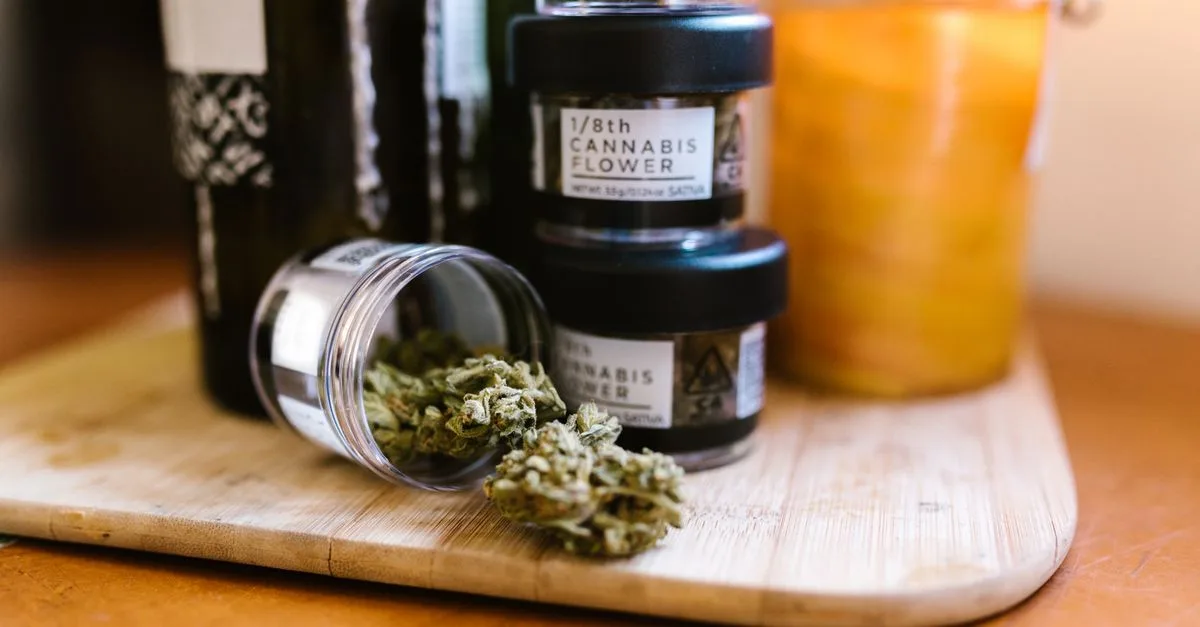 No. 1 of 7
Seven categories, and what each one runs into.
Six constraints, and what each means in practice.
None of these are reasons to give up on the category. They are why a plan built for a normal ecommerce brand fails here, usually expensively.
Certification, not permission
Gambling, crypto and addiction treatment need a certification the business holds. Google reviews the company, not the ad, before a campaign can run.
Jurisdiction is a legal question
Elsewhere, geography is a targeting choice. Here it decides whether a campaign is lawful. The account has to mirror the licences you hold.
Some categories have no paid route
Marijuana is prohibited on Google and Meta, whatever your state licence says. Anyone offering to run it is proposing to spend your money finding out.
Copy is a compliance surface
In supplements and CBD the rejection is rarely the product. It is one sentence that turned a food into a drug. Copy gets reviewed before the spend.
Tracking can be the violation
A standard pixel on a treatment enquiry page can send protected health information to a third party. That is a compliance event, and a first-week fix.
Owned channels outrank rented ones
An account can be disabled without warning. Search, and a list on a provider that accepts you in writing, are the only parts of the plan that compound.
The order the work runs in.
Doing it the other way round is how accounts get disabled.
Each step stands on the one before
Step 1 to 4Organic and owned channels lead the plan. They are not extras.
More gets turned down in these categories than taken.
- Unlicensed operators.
- Anything aimed at a market where the product is not lawful.
- Marketing that only works by making a claim the business cannot support.
Nobody controls a platform review. We review every asset against current policy before it runs.
Who sets the rules we read.
Any page describing a policy, including this one, is a starting point for the check. It is not a substitute for it.
What people ask before they will talk to us.
Which industries do you actually take?
Licensed and lawful businesses in categories the ad platforms restrict: CBD and hemp, licensed cannabis retail, licensed gambling operators, registered crypto businesses, supplements, and licensed treatment providers. We see the licence or registration before anything is planned. Where we cannot, the answer is no.
Can you get our banned ad account back?
Sometimes. An appeal is worth running properly rather than through a form. The more useful work is making sure the business is no longer one enforcement away from having no revenue. That is why these plans lead with organic and owned channels.
How do you know the policies? They change constantly.
They do, so nothing here is treated as settled. We check the current policy text for your specific products and markets before budget is committed. We do not rely on what it said last quarter.
Will you promise our ads will not be rejected?
No. Nobody controls a platform review, and an agency promising otherwise is telling you something useful about how it operates. Every asset is reviewed against current policy before it runs. Accounts are structured so one rejection cannot take the whole operation down. The channels that do not depend on approval get built first.
What work do you turn down?
Unlicensed operators, anything targeting a market where the product is not lawful, and anything where the marketing would only work by making a claim the business cannot support.
Ask it before you spend anything.
Get in touchFind out which channels are open to you.
A written read on which channels your products and jurisdictions permit, what certification you would need, and where the realistic volume is.
We ask to see your licence or registration before planning anything, and we say no where we cannot see one. Free, and yours whether you hire us or not.